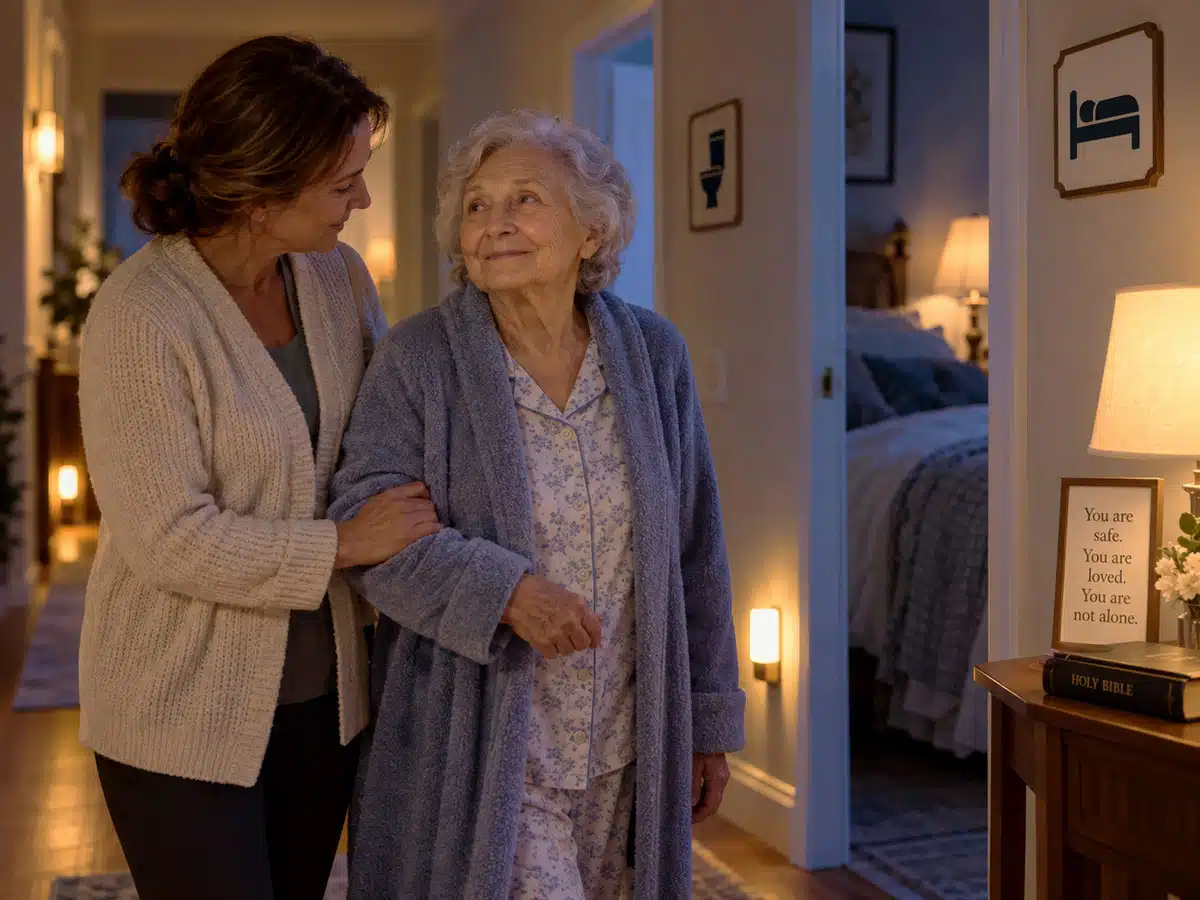
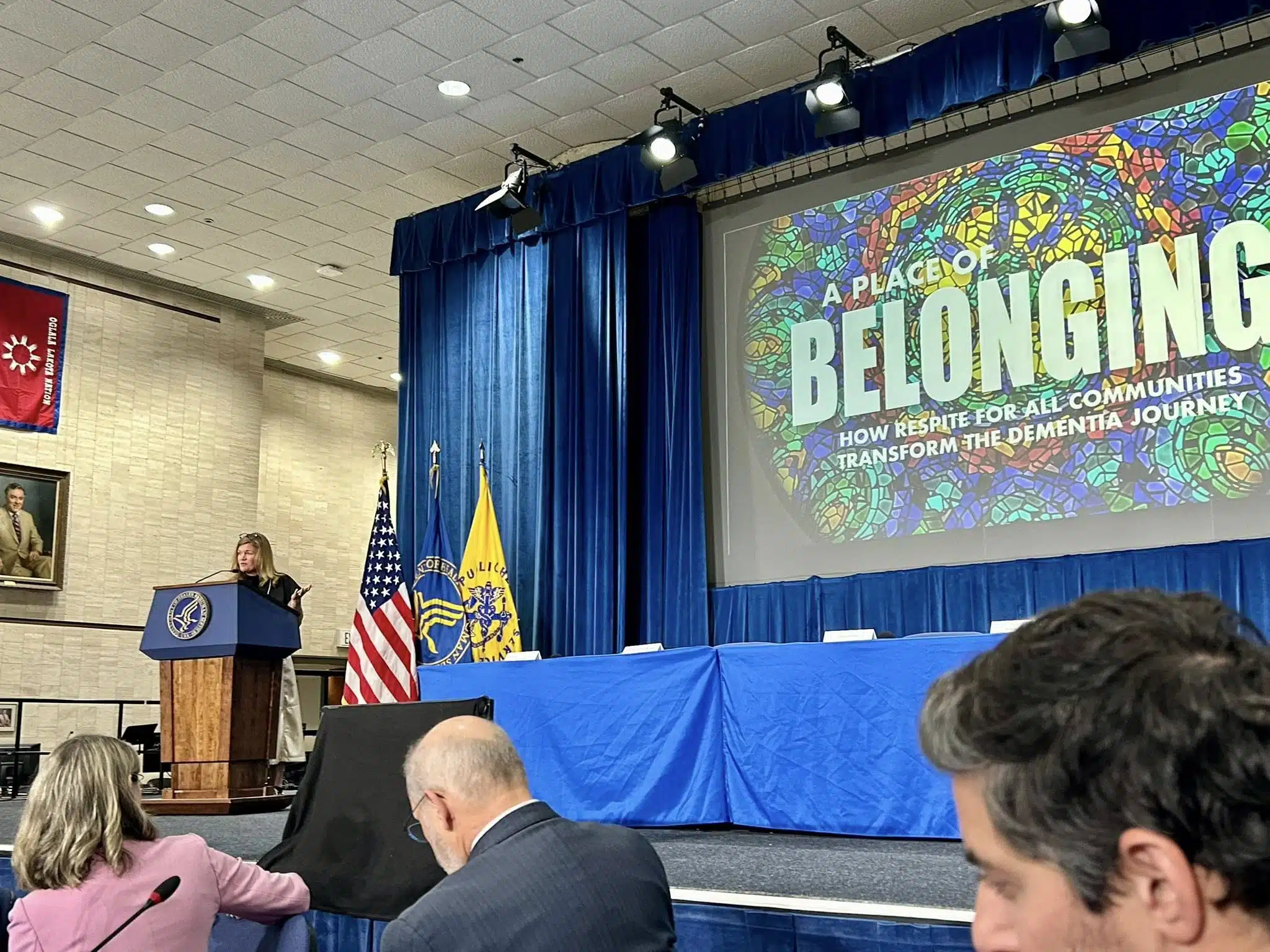
A gentle rhythm to the day can lift spirits, reduce stress, and bring real connection for someone living with dementia. Simple, familiar activities often work best. When words are hard to find, music, touch, and shared moments still speak love.
This guide offers easy, dignity-affirming ideas you can use at home or during a faith-based respite day. It also outlines a 4-hour flow that many volunteer-led programs use, so you can picture what a welcoming respite day looks like and how it can give you a much-needed break.
If you are new to community support, know that respite ministry for families living with dementia is a social, non-medical resource. It is designed to create belonging while you rest, recharge, or run errands nearby.
Why low-stress, familiar activities work
People in the early to middle stages of dementia typically enjoy experiences that feel safe and known. Short, predictable activities reduce pressure and help people participate at their own pace. Familiar hymns, photos, tactile crafts, and warm conversation can spark memories, ease anxiety, and build confidence. In a church setting, those same elements weave faith, friendship, and routine into a meaningful day.
28 meaningful, low-stress ideas you can try
Mix a few of these each day. Watch for smiles, relaxed shoulders, tapping toes, or sustained attention, then repeat what works.
- Hymn sing-along with large-print lyric sheets
- Quiet listening to well-loved choir recordings
- Rhythm instruments, such as shakers or soft drums
- Chair stretches to gentle music
- Hand massage with lightly scented lotion
- Coffee-and-conversation time
- Picture prompts of hometowns, travels, or nature
- Prayer and blessing cards to share or hold
- Scripture or devotional readings in short segments
- Simple watercolor or adult coloring pages
- Collage with pre-cut images and glue sticks
- Play-Doh or modeling clay for tactile calming
- Sorting buttons, shells, or large beads by color
- Folding soft towels together
- Matching socks or pairing playing cards
- Large-piece puzzles on a bright mat
- Word association games using theme cards
- Art recognition with famous paintings
- Call-and-response songs or poems
- Name-that-tune with familiar intros
- Photo albums of family milestones
- Seasonal crafts, such as leaf rubbings
- Simple baking prep, like stirring or sprinkling
- Seed planting in small pots
- Gentle beanbag toss to a target
- Story starters, for example, “Tell me about Sundays growing up”
- Blessing a meal together
- Gratitude circle, sharing one thing that brings joy
Simple setup tips that lower stress
- Keep supplies visible and easy to reach. Clear bins, trays, and baskets help signal what to do.
- Offer one choice at a time. Lay out one inviting station instead of a crowded table.
- Use large-print lyrics and high-contrast images. Good lighting and minimal glare make participation easier.
- Match energy to the moment. After lunch, choose calmer options. In the morning, try light movement or singing.
- End on a success. Wrap up with an activity the person enjoys to carry that confidence forward.
A gentle 4-hour day flow you can mirror at home or church
This example reflects a volunteer-led, faith-based respite rhythm. Adjust the timing to fit your setting and the person’s pace.
- Welcome and coffee, 30 minutes: Greet by name, share blessing cards, invite light conversation.
- Music and movement, 35 minutes: Hymns, rhythm instruments, and simple chair stretches.
- Creative stations, 45 minutes: Small groups rotate through art, puzzles, word games, or photo prompts.
- Snack or early lunch, 35 minutes: Bless the meal together, play soft background music.
- Conversation circle, 25 minutes: Gratitude, short devotions, name-that-tune, or storytelling prompts.
- Game and laughter, 30 minutes: Balloon volleyball or beanbag toss to lift energy.
- Quiet close, 10 minutes: A familiar hymn, prayer, or reflective photo slideshow.
This structure balances stimulation with calm. It also models what many respite days feel like, which can reassure you and your loved one.
Volunteer roles that make it smooth and safe
If you attend a church-based respite day, you will often see:
- Greeters who offer a warm welcome and help with name tags.
- Activity hosts who guide art, games, or music without pressure.
- Table companions who notice cues, offer gentle prompts, and keep conversation flowing.
- A music lead who selects familiar tunes and keeps the tempo relaxed.
- A hospitality lead who coordinates coffee, snacks, and lunch.
- A spiritual care host who offers prayer, blessings, or short devotions if desired.
When exploring programs, ask how volunteers receive dementia-awareness training and how the space supports calm, safe movement.
Adapting for early to middle stages
- Early stage: Offer more choice and conversation. Invite the person to lead a song verse, read a short devotion, or help host a station.
- Middle stage: Simplify steps, demonstrate first, and focus on tactile and musical activities. Keep directions short and use visual cues.
- Any stage: Follow the person’s signals. If restlessness rises, switch to a different station, a walk, or quiet listening.
Printable activity planner
Create a one-page weekly plan with three columns: music, hands-on, social. Pick 1 item from each column daily. Add a notes line to record what sparked joy. Post it on the fridge or bring it to respite so volunteers can build on what works.
Columns example:
- Music: hymn sing, name-that-tune, rhythm shakers
- Hands-on: watercolor, button sorting, seed planting
- Social: coffee-and-conversation, photo prompts, gratitude circle
Why a respite day can help both of you
Volunteer-led, faith-based respite offers social connection, music, creative expression, and gentle movement in a calm, secure space. Many families notice brighter moods, better sleep, and easier evenings after a day of meaningful engagement. Most importantly, you get time to rest and take care of your own needs.
To explore how a social model of care supports families, learn more about respite care for dementia and the benefits of regular breaks for care partners. You can also see what respite services and locations may be near you.
- Explore how respite supports families: a volunteer-led ministry with one paid director provides needed home for countless families.
- Find nearby options: visit our locations page for respite ministry locations.
- New to respite ministry in a church setting or curious how programs get started? Explore our website and learn how you can help bring this hope to your church and community.
Quick FAQ for care partners
- How do you keep a person with dementia busy? Offer short, familiar activities that match their energy. Rotate music, a tactile task, and social time. End on a success.
- What are some home-friendly activities? Hymn sing-alongs, photo prompts, towel folding, balloon volleyball, watercolor, word association, simple baking steps, and coffee-and-conversation.
- What do many people with dementia enjoy? Music from earlier years, gentle touch, predictable routines, faith practices, warm conversation, and hands-on crafts.
- How do you keep someone entertained without overwhelm? Use one-step tasks, clear materials, and calm pacing. Switch activities when attention fades.
- What are fun questions to ask? Try open, memory-friendly prompts: “Tell me about your first job,” “What hymn makes you smile,” “What did Sundays look like growing up,” “What is a favorite place to visit,” “Who taught you something important.”
A gentle next step
You do not have to do this alone. Many churches and community groups host welcoming, volunteer-led respite days that bring belonging for your loved one and real rest for you. Explore our network to learn more about respite care and nearby options, or reach out to ask questions about how a social, non-medical model can fit your family.
Respite for All Foundation offers information, education and training for the development of respite ministries in your community. We are not a medical provider, and this article is educational only. For personal medical guidance, consult a qualified healthcare professional.
Additional links included for your convenience: